3 hr 30 min
Kanheri Caves & Golden Pagoda Temple Tour
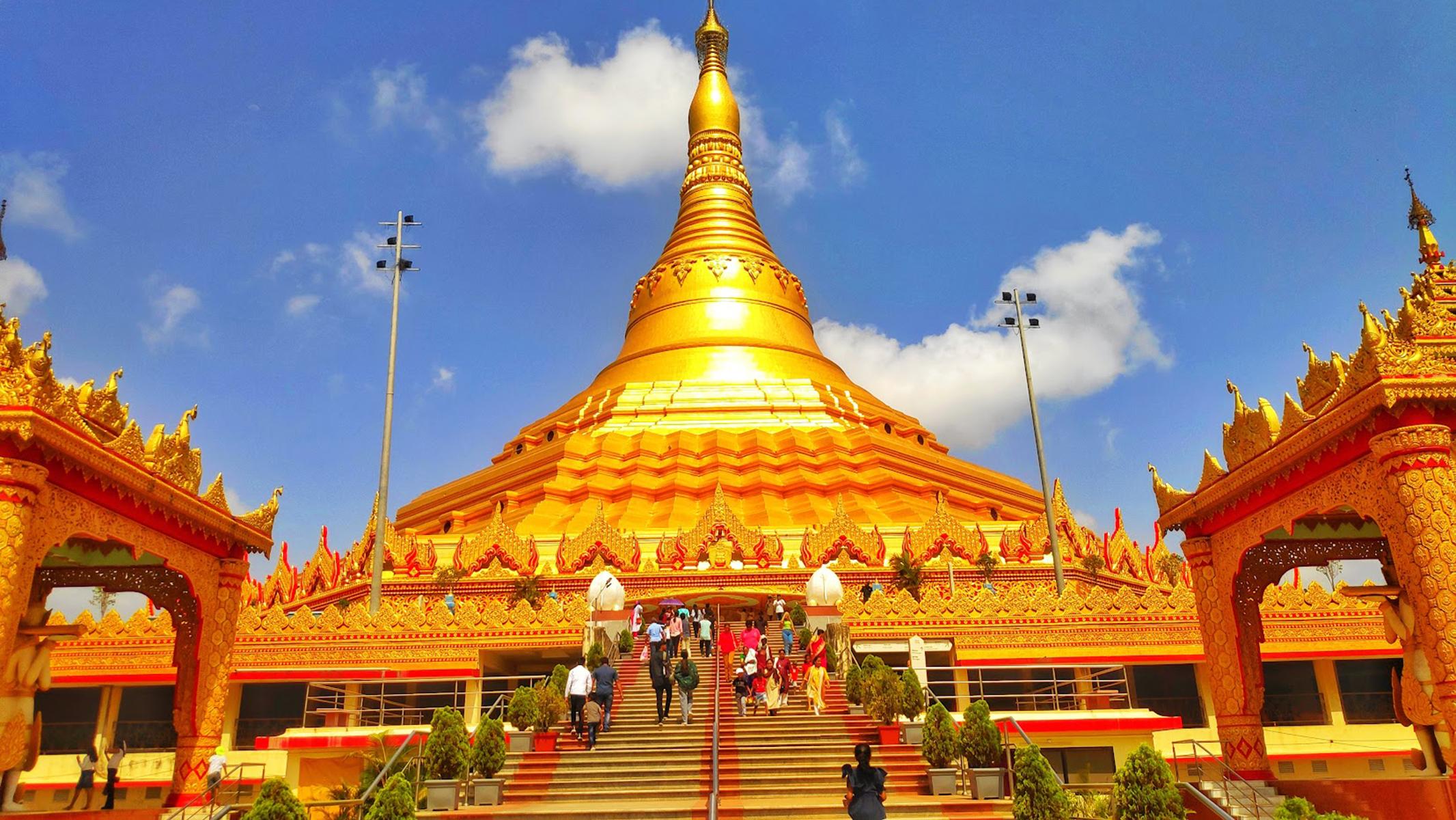
Visit ancient Buddhist rock-cut caves and Asia's largest meditation pagoda on this spiritual Mumbai journey
Reserve
Hand-picked by our editors — only the best 5 experiences from 47 reviewed.
Verified partners for every tour, free cancellation where available, and instant confirmation on every booking.
3 hr 30 min
Visit ancient Buddhist rock-cut caves and Asia's largest meditation pagoda on this spiritual Mumbai journey
Reserve
2 hr 30 min
Discover ancient rock-cut monasteries and a stunning golden meditation hall in Mumbai's green sanctuary
Reserve
7 hr
Journey through ancient Buddhist rock-cut monuments and meditate beneath the world's largest unsupported stone dome
ReservePrices from verified partners. Availability updates in real time at checkout. Free cancellation policies apply where shown.
The landmarks, rooms, and views travelers on this tour remember — all visible on a single visit.
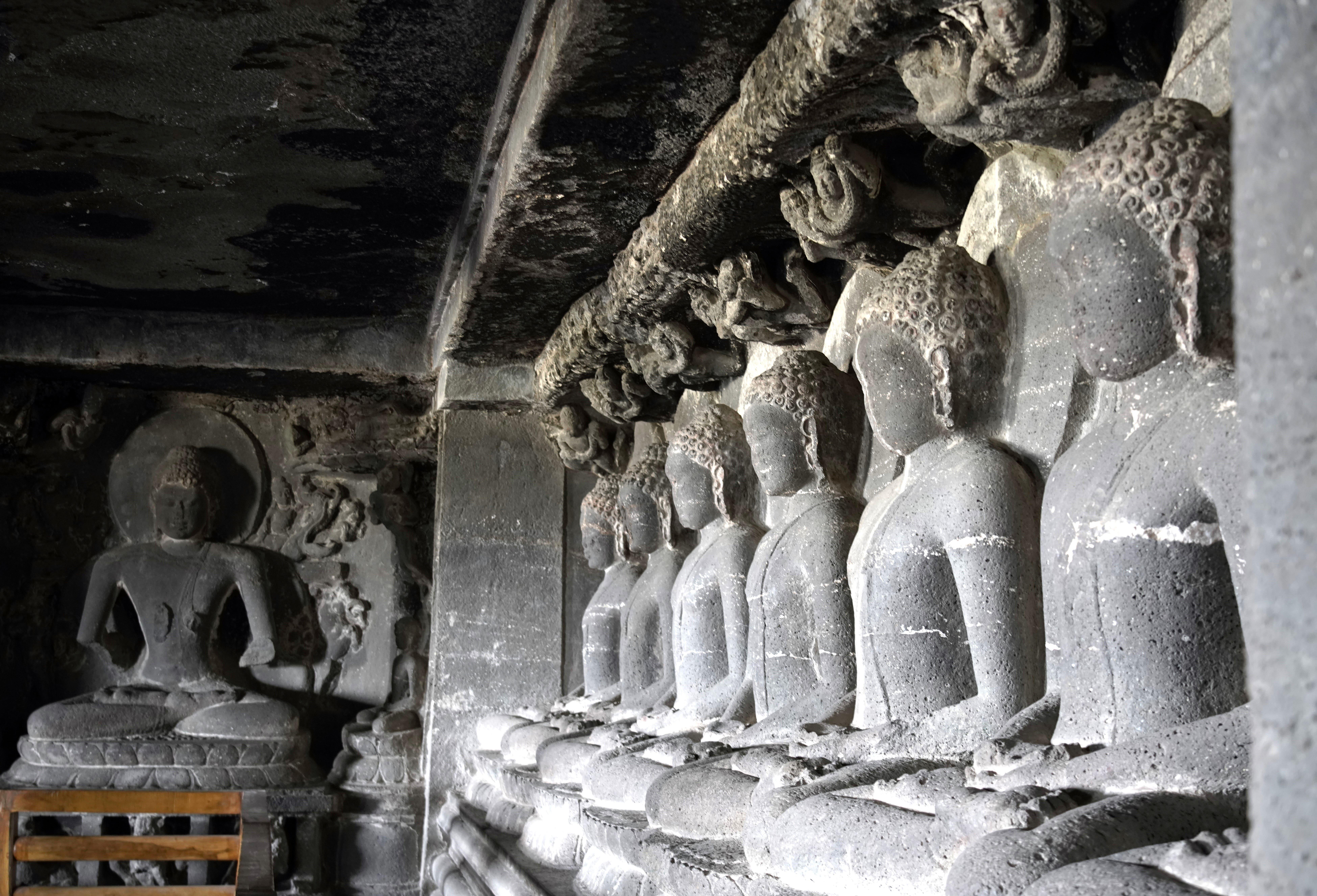
The largest cave here houses an impressive prayer hall with 34 pillars and a large stupa dating back to the 2nd century. Its high arched roof is a masterpiece of ancient rock-cut architecture.
Small votive stupas stand throughout the site, marking the burial spots of revered monks. These structures provide deep insight into the spiritual life of the ancient Buddhist community.
Sophisticated rock-cut systems were designed by ancient engineers to harvest rainwater for the monastic community. These cisterns remain a testament to early sustainable water management in the region.
Elephanta Caves provide a more accessible maritime heritage experience, while the quieter forest setting makes kanheri caves at night tours a unique prospect for those seeking deep solitude. Travelers usually find that Elephanta offers a broader historical narrative, whereas the Sanjay Gandhi National Park site feels more immersive.
| Feature | Top pick Kanheri Caves | Elephanta Caves |
|---|---|---|
Location |
Borivali East, Mumbai | |
Primary Historical Significance |
Buddhist monastic complex | |
Travel Effort |
Moderate park entry | |
Best Time to Visit |
09:00–11:00 | |
Ticket Price |
300 INR (foreigners) | |
Typical Duration |
2–3 hours | |
| See tickets → |
Verdict: Choose Elephanta Caves for iconic island landscapes and large-scale carvings, or select kanheri caves at night tickets if you prefer a peaceful forest journey that rewards independent exploration.
Choose your ticket, select your date, and reserve in under two minutes. Secure checkout handled by our verified partner.
Instant confirmation by email, with a mobile voucher you can save offline. No printing, no queuing at a collection desk.
Arrive at the entrance, show your voucher on your phone, and walk in. Most tickets include priority or skip-the-line access.
Practical details for your visit straight from our verified partners — hours, access, rules, and how to get there.
Sanjay Gandhi National Park, Borivali East
Main entrance for guided tour groups
Take the Western Railway line to Borivali station and hire an auto-rickshaw to the park gate.
Direct app-based taxi to the Sanjay Gandhi National Park main gate is most convenient.
Modest clothing covering shoulders and knees is required when visiting these ancient Buddhist sites. Comfortable walking shoes with good grip are necessary for navigating stone-cut steps.
Small backpacks are permitted, but all bags are subject to inspection at the Sanjay Gandhi National Park gate. Large luggage is not recommended as there are no secure storage lockers available.
Photography is permitted for personal use within the Kanheri Caves area. Tripods require prior permission from the forest department and are generally restricted to minimize disruption.
The site is not wheelchair accessible due to steep, uneven rock-cut stairs and historical terrain. Visitors with mobility challenges may find the lower caves easier to reach.
Mobile phone use is permitted, but signal strength may be weak within the forested areas of the park. Respect the silence required at these historical monuments.
The area is suitable for older children, but parents must exercise caution on the steep steps. Guided kanheri caves at night tours may provide structured supervision for families.
No food or beverages are sold within the cave complex to preserve the site. Visitors should carry sufficient water and snacks, ensuring all waste is removed from the park.
Pets are strictly prohibited within the boundaries of Sanjay Gandhi National Park. This policy protects local wildlife and the integrity of the archaeological site.
Specialized sunset experiences allow visitors to witness the unique twilight ambiance of the heritage site. These guided sessions are distinct from standard daytime access to the Mumbai landmarks.
Sanjay Gandhi National Park, Borivali East
Main entrance for guided tour groups
Get directionsBest time to go, insider tips, nearby landmarks, and the cancellation fine print — flip through to skim what matters to you.
How crowds, weather, and events shift across the year.
Cooler temperatures make the trek comfortable. Skies are clear, providing better visibility for photography sessions.
Early morning visits are essential to avoid extreme afternoon heat. These months offer the best light for sunrise viewing.
Small details that turn a good visit into a great one.
Arrive between 09:00–11:00 to complete your trek before the peak afternoon sun. This also helps in avoiding large weekend crowds at the Kanheri Caves at night tours.
Carry a trash bag to ensure no litter is left behind in the protected forest zone. The park authorities enforce strict cleanliness rules.
Non-bookable sights within a short walk — free to visit, easy to pair.
Observing the wildlife enclosure within the forest area
A quiet hilltop spot offering panoramic forest views
Flexible, no hidden fees.
Full refunds are provided for cancellations made at least 24 hours prior to the scheduled tour. Cancellations requested within 24 hours are non-refundable, including the 300 INR entrance fee for foreign nationals.
Hand-picked options within walking distance — pick a district for vibe, or a specific hotel for convenience.
Convenient access to the park entrance and local transit
Peaceful stay options within easy reach of the park
Carved between the first century BCE and the ninth century CE, Kanheri's 109 rock-cut caves served as a Buddhist monastic settlement for nearly a millennium. The site's name derives from the Sanskrit Krishnagiri, meaning black mountain, a reference to the basalt hillside that rises 450 meters above the surrounding forest canopy of Sanjay Gandhi National Park. While standard daytime visits close at 17:00, specialized after-hours arrangements reveal the caves in a wholly different register. The Great Chaitya, Cave 3, remains the architectural centerpiece. Its 26-meter prayer hall features a vaulted ceiling supported by 34 octagonal columns, each crowned with capital carvings of elephants and lotus motifs. A three-meter stupa dominates the apse, its hemispherical form lit by a horseshoe-shaped window that, during evening hours, frames the descending sun. Viharas, or monastic cells, honeycomb the rock face in tiered galleries. Cave 11 preserves the finest inscriptions, detailing donations from merchant guilds and royal patrons who sustained the monastery through centuries of monsoon and drought. Unlike the crowded circuits of Ajanta or Ellora, Kanheri remained a working monastery well into the tenth century, its isolation within dense sal forest ensuring continuity of practice. Archaeological surveys have identified water cisterns, refectories, and meditation chambers distributed across the hillside, evidence of a self-sufficient community numbering several hundred monks at its peak. The site's elevation afforded strategic views over ancient trade routes linking the western coast to the Deccan interior, positioning Kanheri as both spiritual refuge and commercial waypoint. Today, the caves sit within 104 square kilometers of protected national park, the green lung of metropolitan Mumbai. Leopards, sambar deer, and over 250 bird species inhabit the surrounding woodland. Specialized evening programs, often paired with visits to the nearby Global Vipassana Pagoda, allow access beyond the standard closure window. These sunset tours reframe the experience, replacing the heat and foot traffic of midday with cooler temperatures, horizontal light that deepens the relief carvings, and the calls of Malabar grey hornbills settling into the canopy. The shift from public monument to contemplative site mirrors the original monastic rhythm, when evening prayers marked the transition from labor to meditation.

"The Great Chaitya's horseshoe window frames the descending sun, casting horizontal light across ninth-century lotus carvings."
A step-by-step walkthrough of the visit — what you'll see, how long each stage takes, and the details that matter.
You arrive at the park entrance as afternoon softens into early evening, temperatures dropping five degrees from the midday peak. The 15-minute approach through sal and teak forest filters the last horizontal light, casting long shadows across the laterite path. You reach the cave complex as the sun touches the western ridge, its amber glow illuminating the basalt cliff face in stages. You enter Cave 3 through the columned portico. Inside, the octagonal pillars stretch toward a vaulted ceiling 13 meters overhead. The horseshoe window admits a concentrated shaft of light that moves slowly across the stupa's dome, highlighting the circumambulatory path worn smooth by centuries of barefoot processions. Your guide gestures toward faded frescoes on the rear wall, visible now in the slanted rays where harsh noon light bleached them into invisibility. You climb the stone staircase to the upper galleries, pausing at Cave 11 to examine Brahmi inscriptions recording second-century donations. The cells are shallow, each barely two meters deep, with rock-cut beds and niches for oil lamps. By the time you reach the highest tier, dusk has settled over the forest canopy below. Hornbills call from the treetops. The thermal haze that obscured the distant skyline all day has lifted, revealing the full sweep of Sanjay Gandhi National Park stretching north toward Thane. You descend as the first stars appear, retracing the path monks walked for a thousand monsoons.
Specialized sunset or after-hours experiences are distinct products; please check the available tour grid for current kanheri caves at night tickets.
The site is open from 09:00–17:00 daily, except on Mondays when it is closed.
Due to the natural, uneven terrain and rock-cut steps, the caves are not wheelchair accessible for most visitors.
Small bags are allowed, but they must be carried throughout the visit and are subject to security checks.
The best arrival window for these Mumbai landmarks is 09:00–11:00 to avoid mid-day heat.
Visitors should wear modest clothing that covers shoulders and knees when exploring these heritage caves.
No food or drink is permitted inside the complex; please consume refreshments outside the cave area.
You can reach the park via the Western Railway line to Borivali and take a taxi or auto-rickshaw to the entrance.
Yes, children are welcome on the tour, provided they can navigate the steep terrain and adhere to safety rules.
Cancellations made 24 hours in advance are eligible for a full refund, excluding the standard entrance fees for foreign nationals.