Kanheri Caves Tour
Kanheri Caves Tour
#5 of 100 in Sanjay Gandhi National Park
Official tickets & experiences

Kanheri Caves Tour

109 hand-carved chambers hidden in monsoon forest, where monks meditated for a thousand years

Hand-picked by our editors — only the best 3 experiences from 12 reviewed.

4.9 (2,400) 27K+ travelers chose this
Open today 09:00–17:00
Attendance: Light — weekday morning
Arrive early for your kanheri caves tour to avoid midday heat.
Instant confirmation Mobile voucher Free cancellation Verified partner Skip-the-line
Tickets

Choose your Kanheri Caves tickets

Verified partners for Kanheri Caves tours, free cancellation where available, and instant confirmation on every booking.

Sanjay Gandhi National Park, Kanheri Caves & Lion Safari Tour 4 hr
Standard Entry

Sanjay Gandhi National Park, Kanheri Caves & Lion Safari Tour

4.3 (31)
€45
per person
Instant Mobile voucher Flexible — change up to 24h

Explore ancient Buddhist caves, encounter lions on safari, and discover Mumbai's green wilderness sanctuary

Reserve
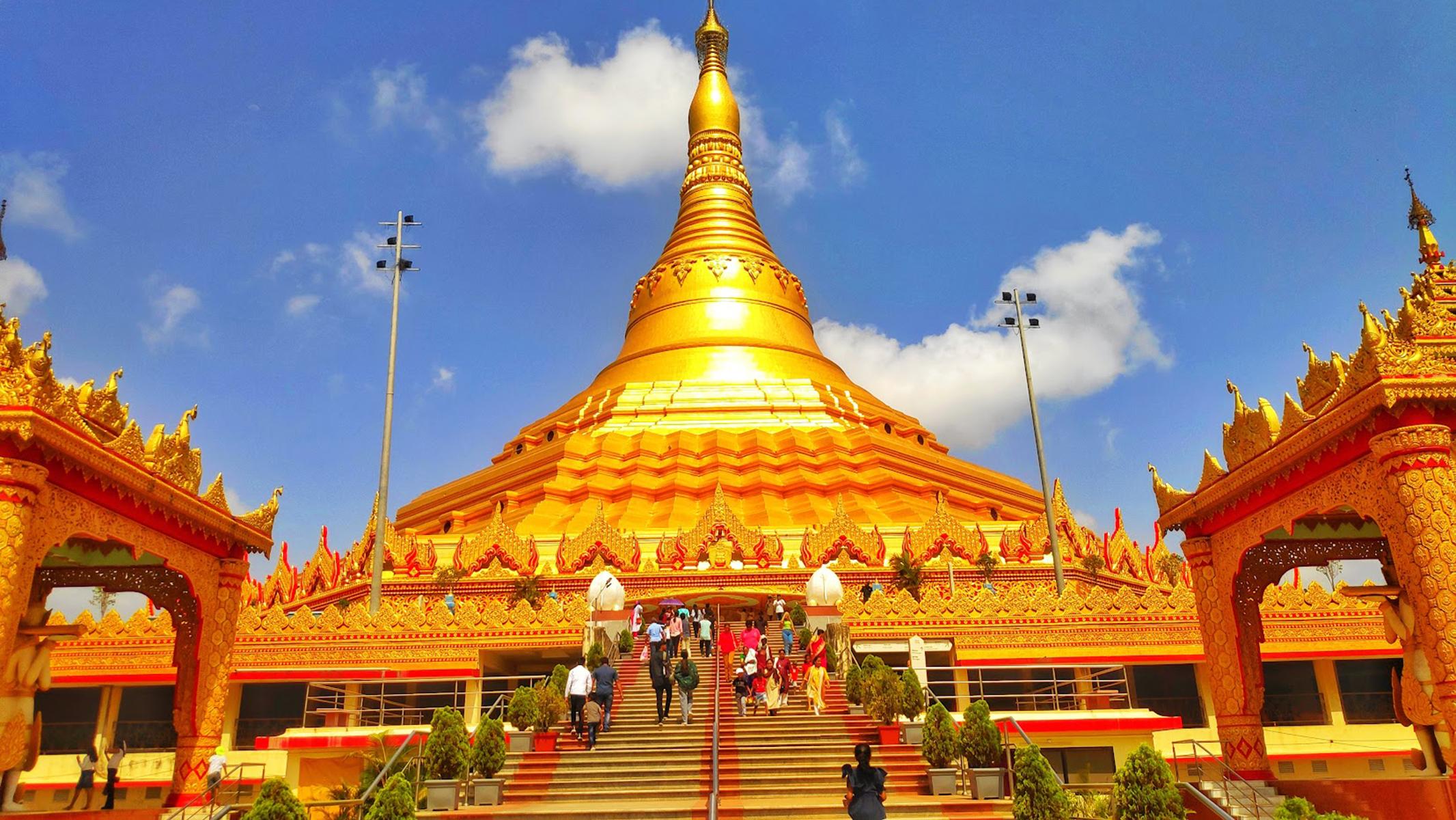
Kanheri Caves & Golden Pagoda Buddhist Heritage Tour 2 hr 30 min
Standard Entry

Kanheri Caves & Golden Pagoda Buddhist Heritage Tour

4.8 (31)
€19
per person
Instant Mobile voucher Flexible — change up to 24h

Discover ancient rock-carved monasteries and a stunning golden meditation dome amid Mumbai's wilderness

Reserve

Prices from verified partners. Availability updates in real time at checkout. Free cancellation policies apply where shown.

Duration
3-4 hours
Languages
English, Hindi, Marathi
Group size
Up to 15 people
Cancellation
24 hours advance
Highlights

What you'll see inside Kanheri Caves

The landmarks, rooms, and views travelers on Kanheri Caves tours remember — all visible on a single visit.

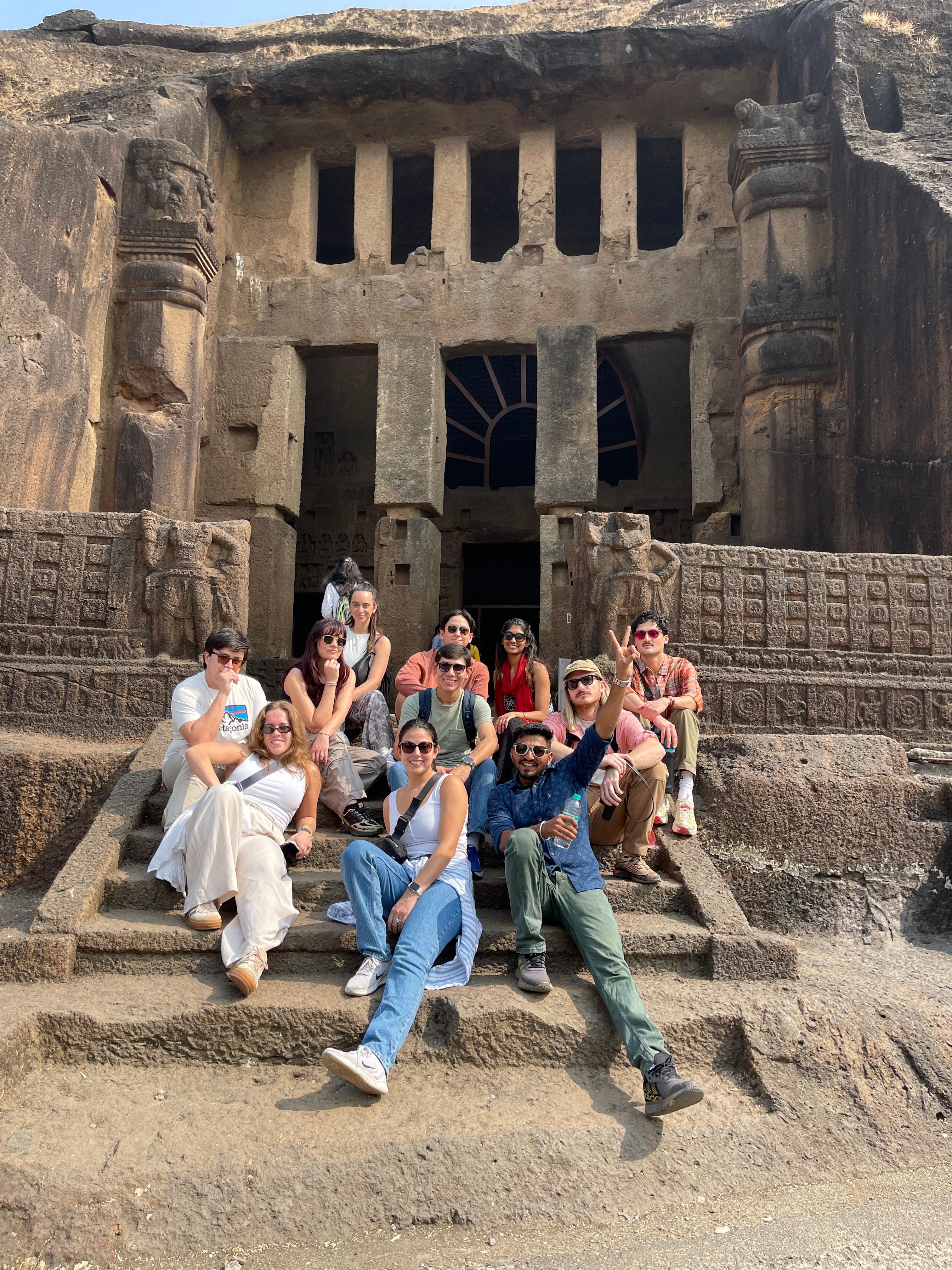
Cave 3 (Great Chaitya)

Cave 3 (Great Chaitya)

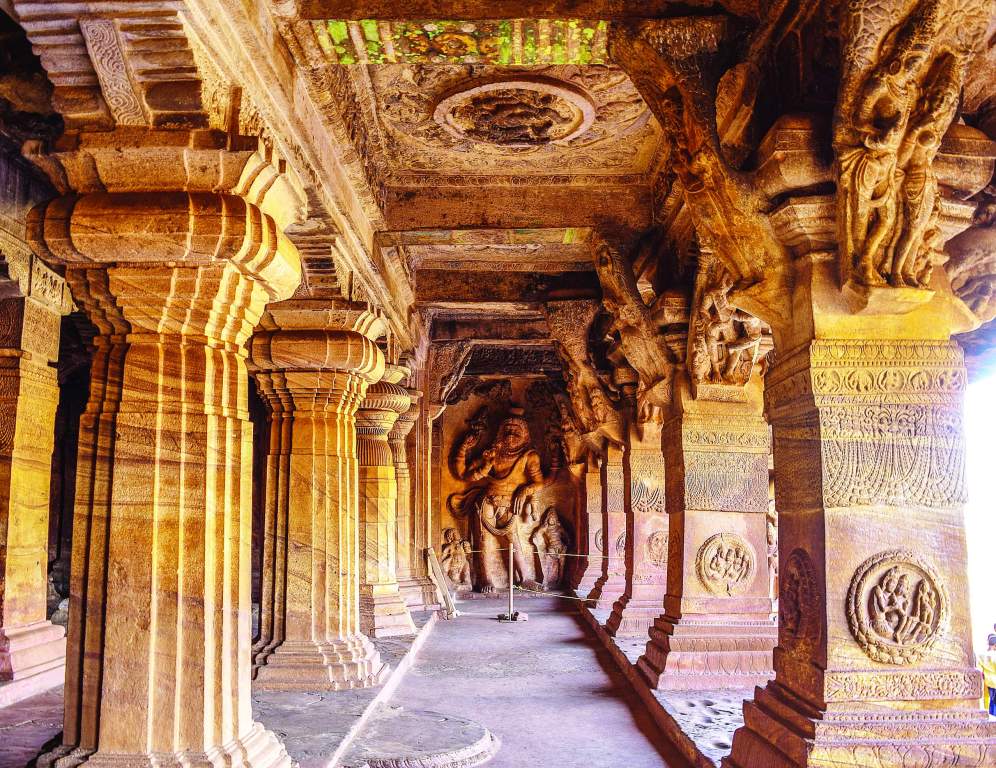
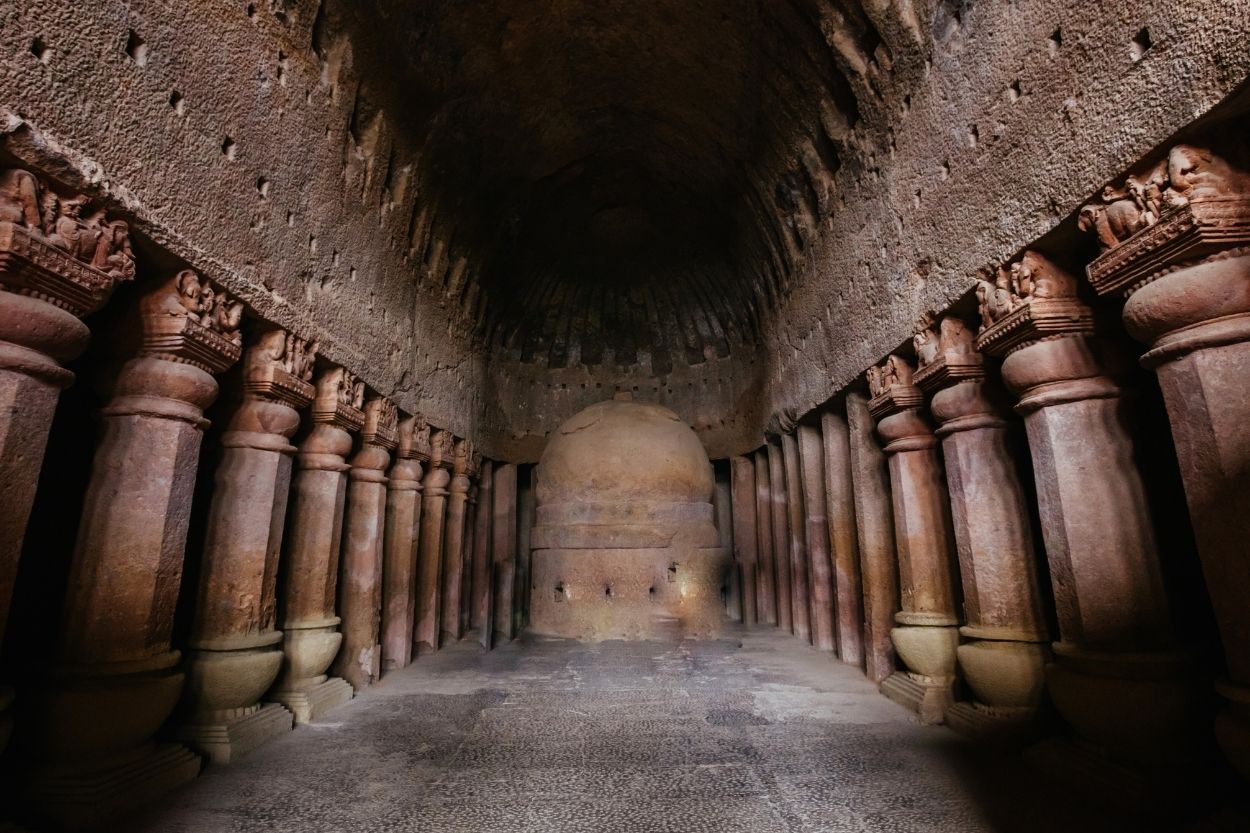
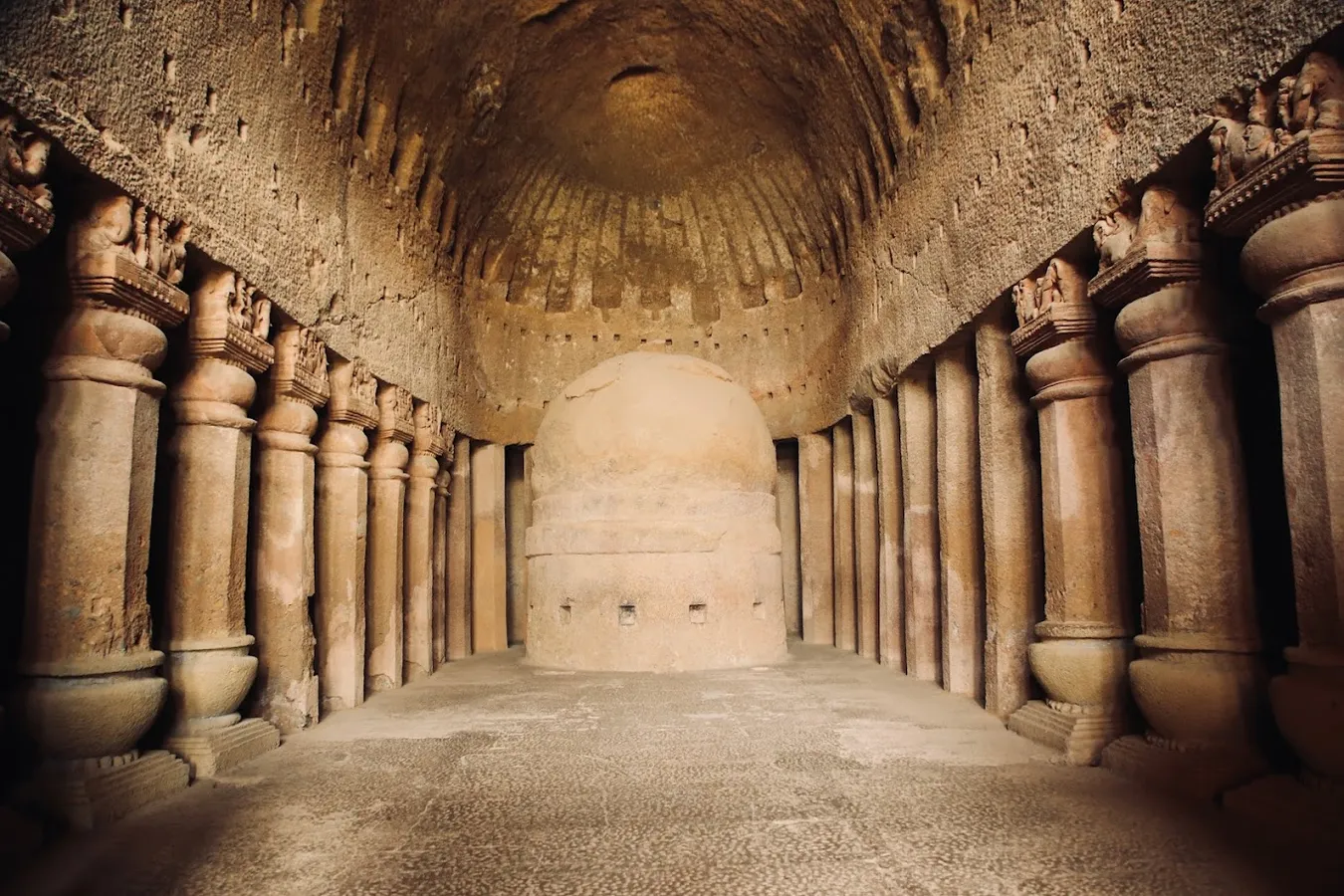
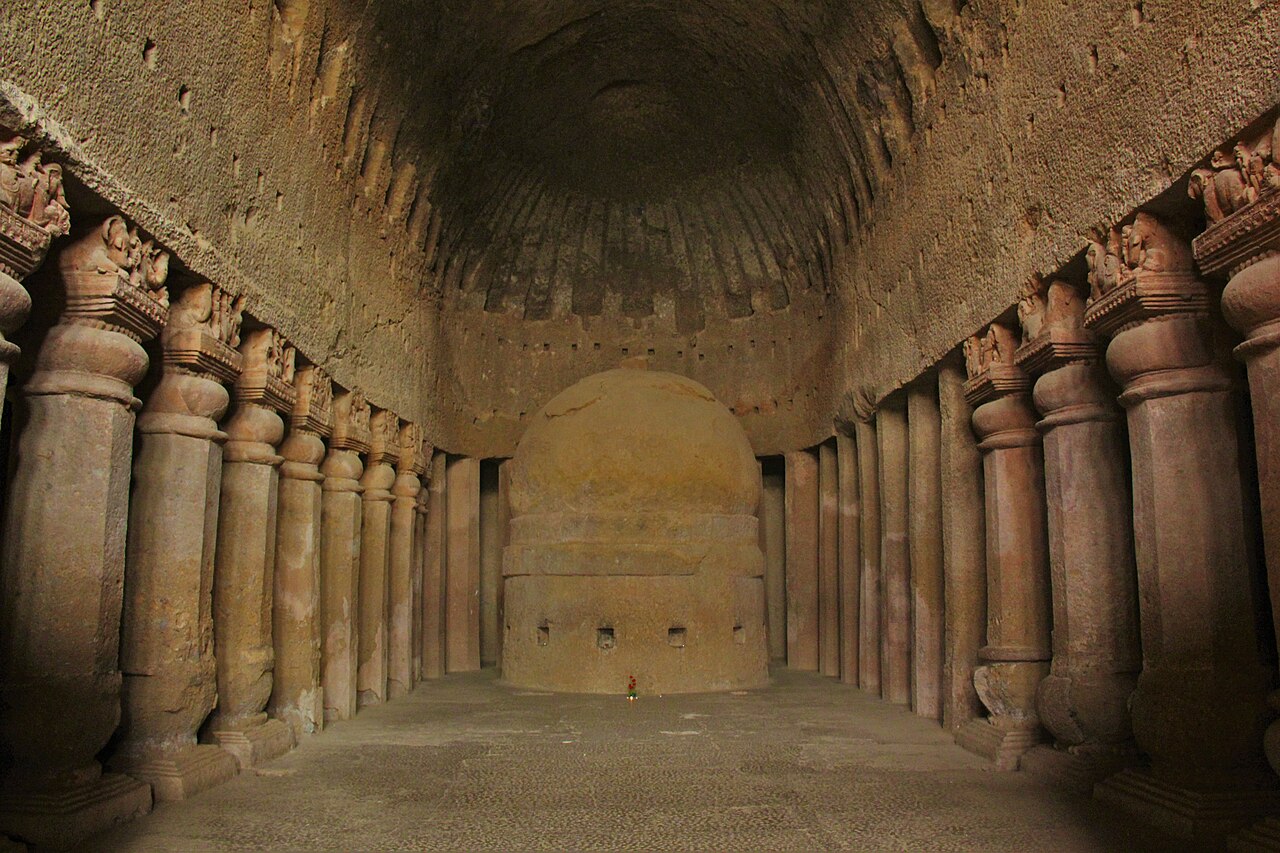
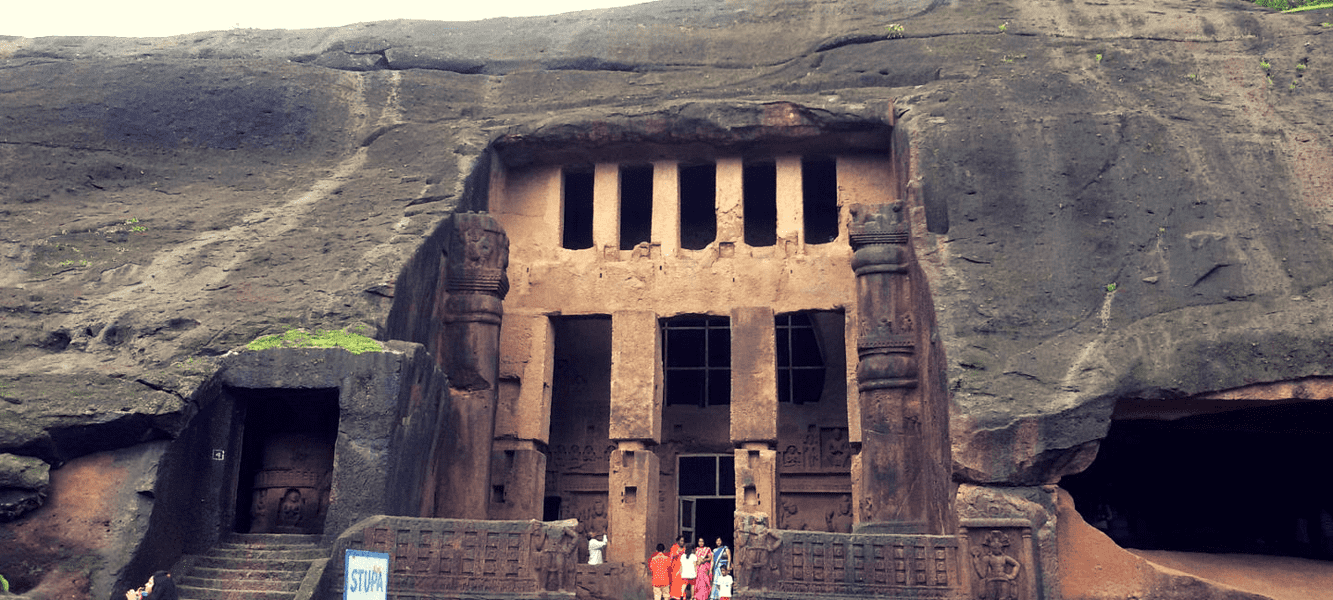
The largest prayer hall features a massive facade with 34 pillars and a 16-foot stupa.

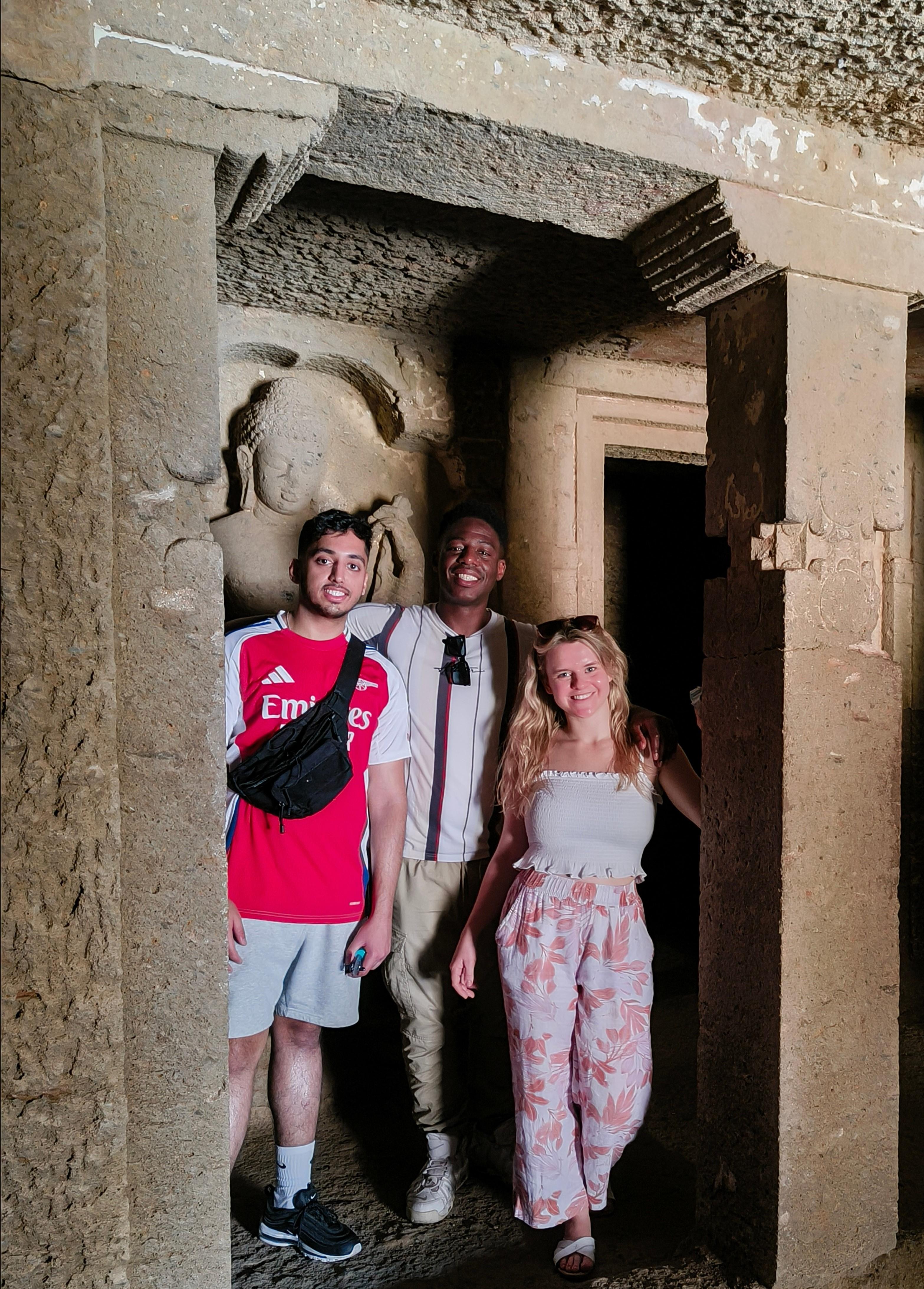
Darbar Hall (Cave 11)

Darbar Hall (Cave 11)

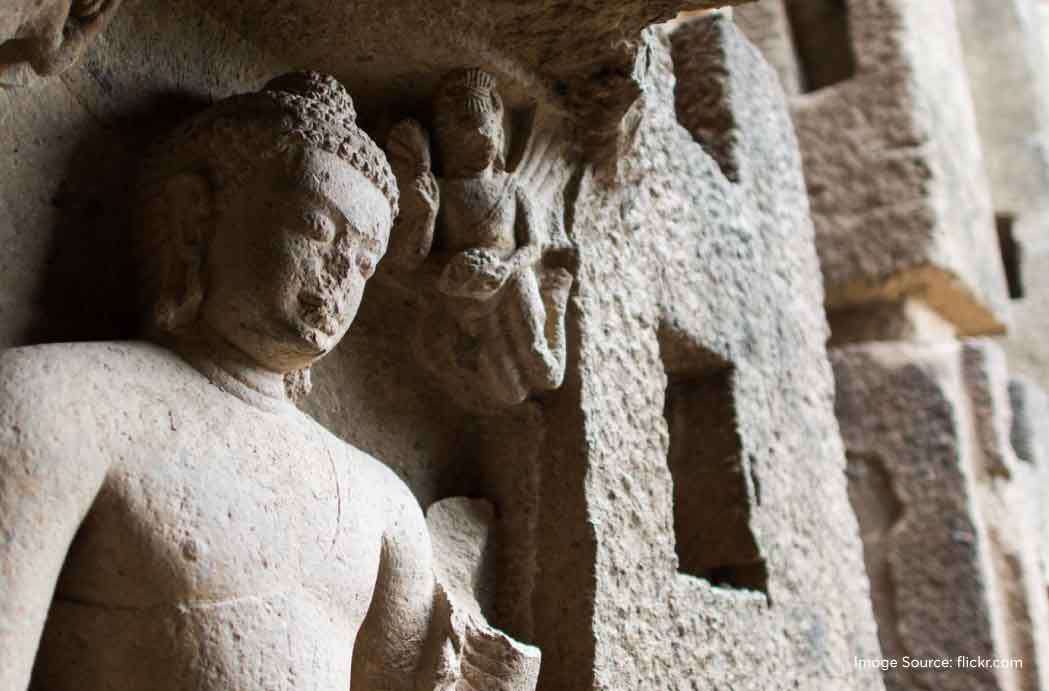
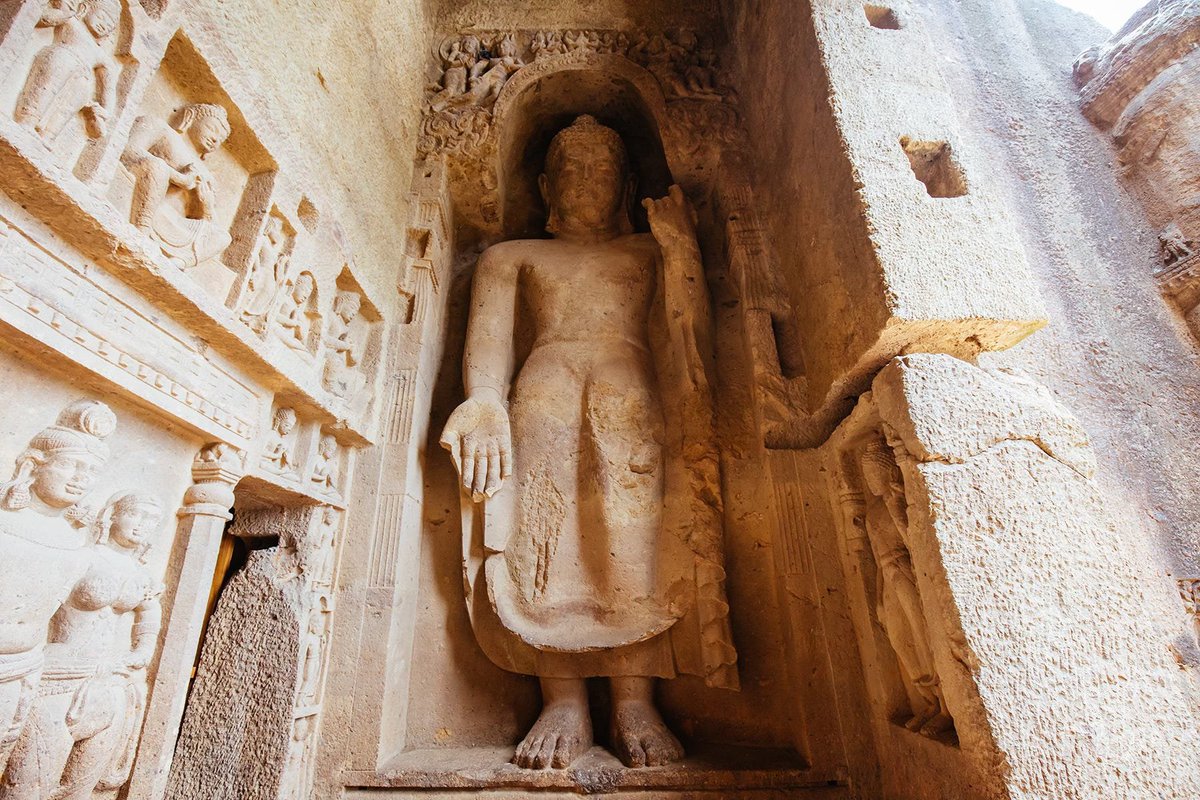
Known as the assembly hall, this cave features a central Buddha statue and stone benches used by monks.

Ancient Water Cisterns

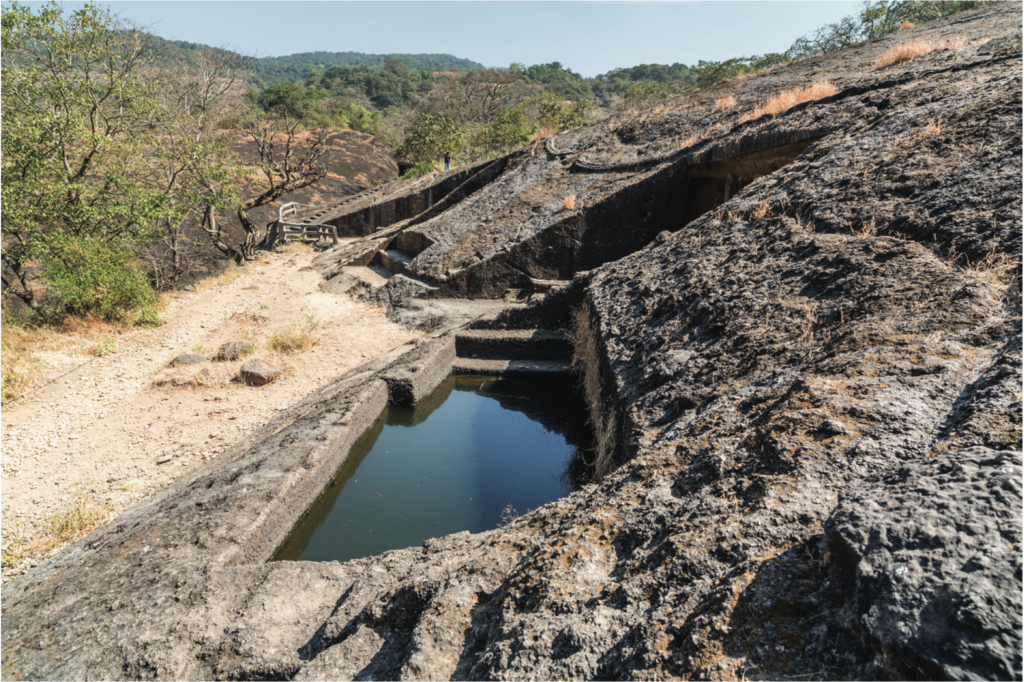
Ancient Water Cisterns

A sophisticated rainwater harvesting system designed to sustain the monastic community for centuries.

Avalokiteshwara Relief

Avalokiteshwara Relief

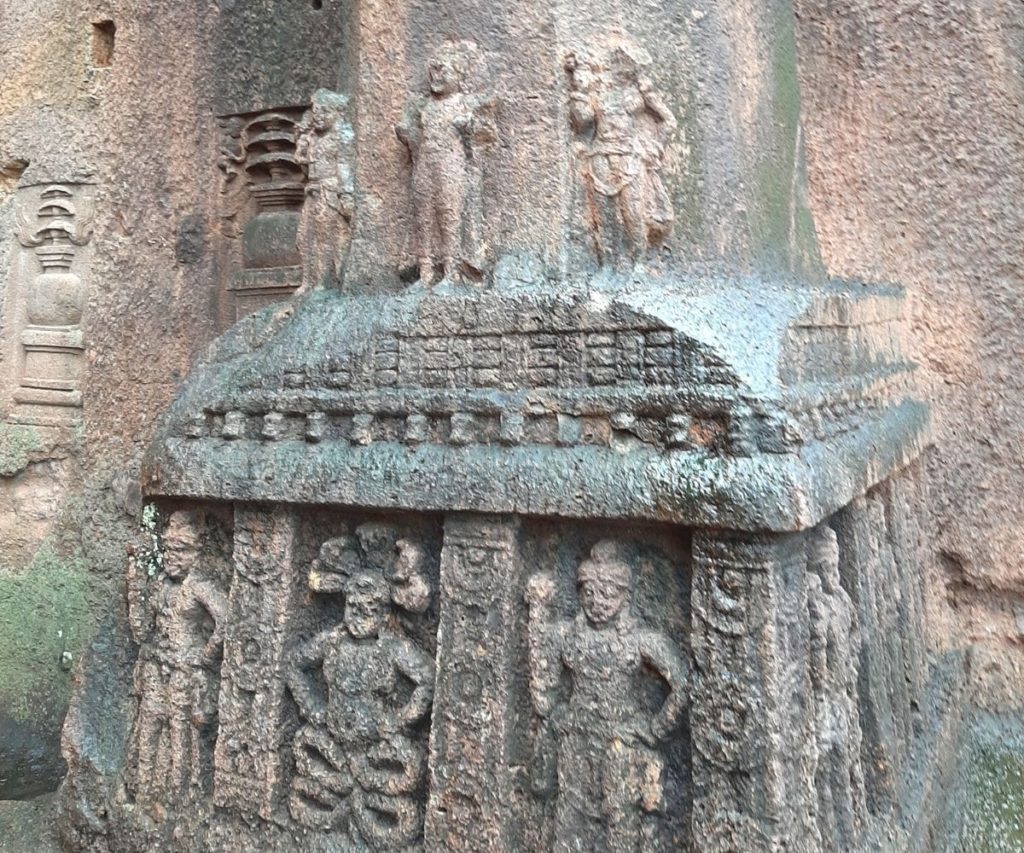
Features unique carvings of the Bodhisattva, representing the historical Mahayana influence at the site.

Cave 4

Cave 4

Believed to be one of the oldest in the complex, offering insight into the early Hinayana architectural style.

Compare

Kanheri Caves tickets & tours compared

Every Kanheri Caves tour side-by-side — duration, what's included, how you redeem.

Experience DurationRatingTransfersPickupGuideFree cancel. Price
Standard Entry
Sanjay Gandhi National Park, Kanheri Caves & Lion Safari Tour
4 hr★ 4.3 €45 Book →
Standard Entry
Kanheri Caves & Golden Pagoda Buddhist Heritage Tour
2 hr 30 min★ 4.8 €19 Book →

All prices from verified partners. Availability and exact terms confirmed at checkout.

Head to head

Elephanta Caves vs Kanheri Caves Tour: Choosing Your Mumbai Heritage Site

They complement each other, yet most visitors find the mainland nature trails of a kanheri caves tour more accessible than the island ferry logistics required for Elephanta. While one offers basalt rock-cut architecture in a forest, the other provides an island-based archaeological expedition.

Feature Top pick Kanheri Caves Elephanta Caves
Access method
Ferry from Gateway of India
Main setting
Island cliffside
Travel duration
1–1.5 hours total
Cave complexity
Seven main excavated caves
Transport cost
250 INR ferry fare
Activity level
Significant climbing of stairs

Verdict: Choose the Kanheri caves tour tours for a serene forest hike, or select Elephanta for an iconic island excursion requiring boat kanheri caves tour tickets for transit.

How your ticket works

Book Kanheri Caves tours in 3 steps

  1. 01

    Book online

    Choose your ticket, select your date, and reserve in under two minutes. Secure checkout handled by our verified partner.

  2. 02

    Receive your mobile voucher

    Instant confirmation by email, with a mobile voucher you can save offline. No printing, no queuing at a collection desk.

  3. 03

    Show & enter

    Arrive at the entrance, show your voucher on your phone, and walk in. Most tickets include priority or skip-the-line access.

Plan your visit

Plan your Kanheri Caves visit

Practical details for Kanheri Caves tickets straight from our verified partners — hours, access, rules, and how to get there.

Open today · 09:00–17:00
Opening Hours
09:00–17:00 (Tue-Sun)
Address
Sanjay Gandhi National Park, Borivali East, Mumbai, Maharashtra 400066
Accessibility
Steps throughout site, limited wheelchair access
Best Arrival
09:00–11:00 for kanheri caves tour
Storage
Not available, carry light bags
Navigation
Follow main park road then hike to caves
Mon
Closed
Tue
09:00–17:00
Wed
09:00–17:00
Thu
09:00–17:00
Fri
09:00–17:00
Sat
09:00–17:00
Sun
09:00–17:00
Closed on: Every Monday (Weekly closure)
Location

kanheri caves tour, Sanjay Gandhi National Park

Open in Google Maps
Address
Sanjay Gandhi National Park, Borivali East, Mumbai, Maharashtra 400066
Storage
Not available, carry light bags
Navigation
Follow main park road then hike to caves

Dress code

Modest attire is recommended for a kanheri caves tour as this is a site of religious significance. Ensure shoulders and knees are covered when exploring the Buddhist monuments.

Bags & security

Security is present within Sanjay Gandhi National Park, and visitors should keep bags light. Large luggage is not suitable for the hike required during a kanheri caves tour.

Photography

Photography is permitted throughout the complex. Respect the ancient inscriptions and carvings during your kanheri caves tour.

Accessibility

The terrain consists of natural rock-cut steps and uneven paths, making a kanheri caves tour challenging for those with mobility impairments. No ramps or mechanical lifts are available at the site.

Mobile phones

Mobile phones are permitted. Keep ringer off inside exhibition spaces.

What to bring

  • Water bottle
  • Comfortable walking shoes
  • Sunscreen
  • Hat
  • Light backpack
  • Camera
  • Insect repellent

Not allowed

  • Plastic bags
  • Alcohol
  • Loudspeakers
  • Sharp objects
  • Firearms
  • Inflammables
  • Illegal substances
  • Drones
  • Pets
  • Unattended luggage

Families & strollers

Families are welcome at the national park, though children must be supervised on the uneven steps during a kanheri caves tour. The park features other attractions like a toy train near the entrance.

Food & drink

Limited food options exist near the cave base, so bringing water and light snacks is advised for your kanheri caves tour. Please maintain park cleanliness and do not feed the monkeys.

Pets

Pets are not allowed, with the exception of service animals with appropriate documentation.

Good to know

Last entry is typically 1 hour before closing. Check the specific ticket for timing.

Around your visit

Kanheri Caves — everything else worth knowing

Best time to go, insider tips, nearby landmarks, and the cancellation fine print — flip through to skim what matters to you.

Cancellation policy

Flexible, no hidden fees.

Entry fees for a kanheri caves tour are generally non-refundable once purchased. Ensure your visit date aligns with park operations as the site closes on Mondays.

Traveler reviews

Kanheri Caves tour reviews

4.9
★ ★ ★ ★ ★
2,400 reviews
27K+ travelers chose this
  • "The guided kanheri caves tour provided excellent context about the Buddhist monks who carved these sanctuaries between the 1st and 9th centuries. Cave 3's chaitya hall with its 34 pillars felt unexpectedly cool even in August humidity. Our guide explained the water cisterns carved into rock that sustained the monastery community. The forest walk between cave clusters took about three hours at a relaxed pace."
    Priya S. · India · 2026-08-22
  • "Spent a full morning exploring the rock-cut monasteries and meditation halls scattered across the hillside. The vihara caves with stone beds carved for monks offered a tangible glimpse into monastic life. Several caves on the upper trail required steep climbs but rewarded with views over the national park canopy. The site felt remarkably preserved given its age."
    James M. · United Kingdom · 2026-07-15
  • "This extensive cave complex surprised me with its scale, 109 caves carved over eight centuries. The kanheri caves tour tickets included entry to Sanjay Gandhi National Park. Cave 90's unfinished carvings showed the process of excavating chambers from solid basalt. Morning visits offered cooler temperatures and better light for photography inside the darker chambers."
    Ananya K. · United States · 2026-06-03
  • "The Buddhist rock architecture here rivals anything I saw in Sri Lanka. Intricate stupas and bodhisattva reliefs cover many cave walls. The trail between lower and upper caves gets hot by midday. I recommend starting early and carrying more water than you think necessary. Some of the smaller viharas on the eastern slope see fewer visitors and offer quieter contemplation."
    Lucas R. · Brazil · 2026-05-19
  • "These ancient meditation caves provided a serene counterpoint to Mumbai's intensity. The main chaitya's acoustic properties became apparent when our group chanted briefly, the sound resonating through the stone hall. Monkeys occasionally appeared on the forest paths between cave entrances. The cistern systems carved to collect monsoon rainwater demonstrated sophisticated engineering."
    Yuki T. · Japan · 2026-04-11
  • "Inscriptions in Brahmi and Devanagari scripts mark different periods of cave use spanning nearly a millennium. The early Hinayana phase caves differ architecturally from later Mahayana additions. Our guide on the Mumbai caves exploration walked us through these stylistic evolutions. The site feels less crowded than Elephanta, allowing more time inside each chamber."
    Sophie L. · France · 2026-03-27
  • "Cave 1's eleven-cell monastery complex showed how these served as universities for Buddhist learning. The rock-cut water channels still function during monsoon season. Several caves retain traces of original plaster and paint on ceilings. The kanheri caves tour covered major highlights in four hours but dedicated explorers could spend an entire day here."
    Rajesh P. · India · 2026-02-14
  • "We paired the cave visit with the national park's morning safari, spotting leopard pugmarks on the forest trail. The caves sit at elevations offering breeze even on warm days. Cave 34's dagoba and the surrounding verandah pillars showed Greek-influenced design elements. The site's location deep in protected forest explains its excellent preservation state."
    Emma W. · Australia · 2025-12-08
  • "Visited during the post-monsoon season when the forest surrounding these rock monuments glowed intensely green. The upper caves required a 20-minute uphill walk but far fewer tourists made it there. Stone inscriptions near Cave 11 recorded donations from ancient trade guilds. The scale of effort required to excavate these chambers from hard volcanic rock felt humbling."
    Diego M. · Spain · 2025-10-30
  • "The interpretation panels at major caves provided historical context without overwhelming. Cave 3's stupa at the hall's terminus remains an engineering puzzle, carved as one piece with the mountain. Butterflies and birds filled the forested approach paths. The kanheri caves tour tours combine well with a full day at Sanjay Gandhi National Park."
    Nina K. · Germany · 2025-09-18
1★
1350
2★
950
3★
1800
4★
4200
5★
18700
Explore Ancient Buddhist Caves on a Kanheri Caves Tour
About

Explore Ancient Buddhist Caves on a Kanheri Caves Tour

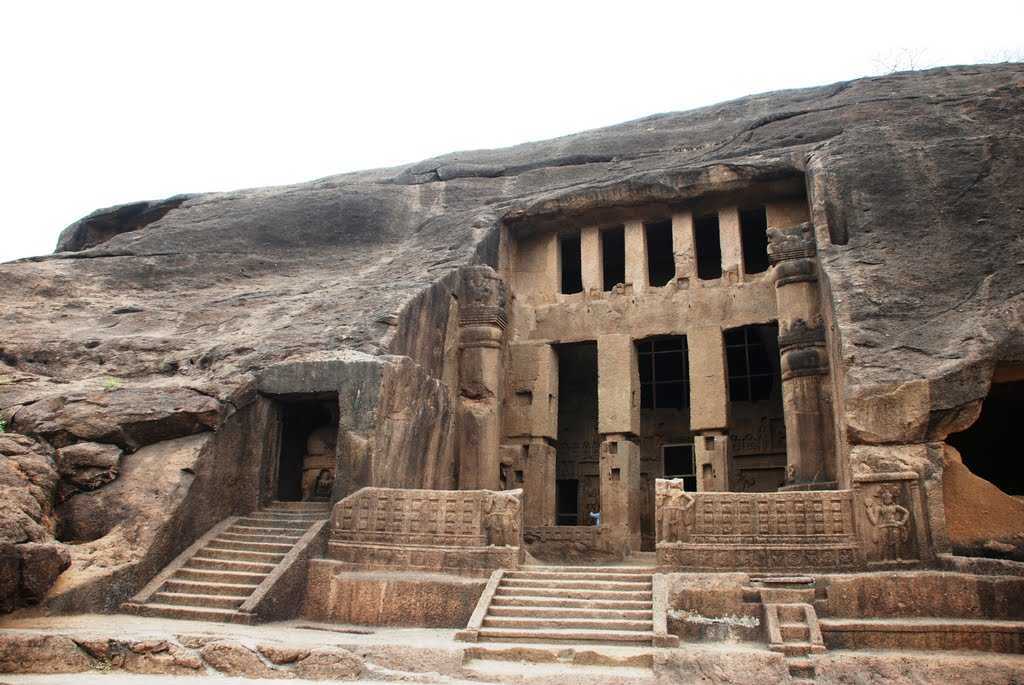
Between the 1st and 9th centuries CE, Buddhist monks carved 109 cave chambers into a single basalt hillside within what is now Sanjay Gandhi National Park, creating one of the largest monastic settlements on India's western coast.

Read more

The Kanheri complex—its name derived from the Sanskrit Krishnagiri, meaning Black Mountain—served as a major center of the Hinayana Buddhist sect, with evidence of continuous habitation spanning nearly eight hundred years. Inscriptions in Brahmi and Devanagari scripts record donations from merchants, guilds, and royal patrons who funded the excavation of prayer halls, residential cells, and water cisterns that allowed the community to endure Mumbai's six-month monsoon season in isolation.

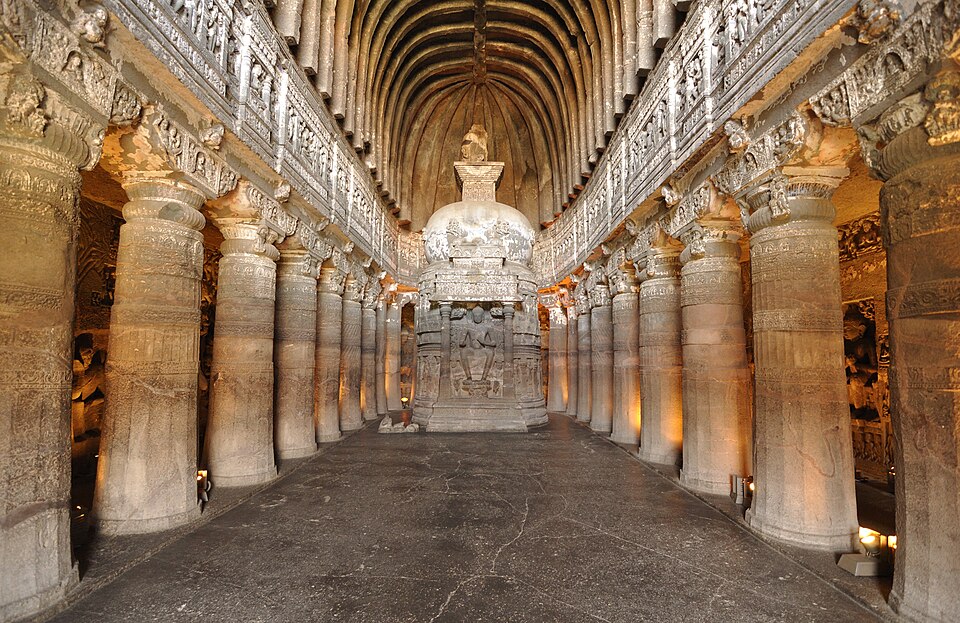
Today, a Kanheri Caves tour reveals architectural evolution across centuries. Cave 3, the Great Chaitya, stands as the largest and most elaborate: a 26-meter prayer hall supported by 34 octagonal columns, its vaulted ceiling carved to mimic wooden beams, and a monolithic stupa at the apse. The hall's acoustics were engineered so chants would resonate without echo, a technique that still functions after two millennia. Cave 1, the Darbar Hall, contains a seated Buddha flanked by Padmapani and Vajrapani—bodhisattva figures that mark the site's gradual shift toward Mahayana Buddhism during the 5th and 6th centuries. Smaller viharas, or monks' quarters, riddle the hillside with sleeping platforms, niches for oil lamps, and rainwater channels that fed communal tanks.

The site's remoteness preserved it through centuries of coastal upheaval. When Portuguese colonizers arrived in the 16th century, the caves had already been abandoned for half a millennium, their stone floors layered with leaf litter and their frescoes faded by seepage. British surveyors documented the complex in the 1800s, but it remained difficult to reach until the national park was gazetted in 1969 and a vehicular road was cut through the forest. Modern conservation efforts focus on controlling algae growth—Mumbai's humidity and industrial pollution accelerate the basalt's erosion—and limiting visitor contact with relief sculptures.

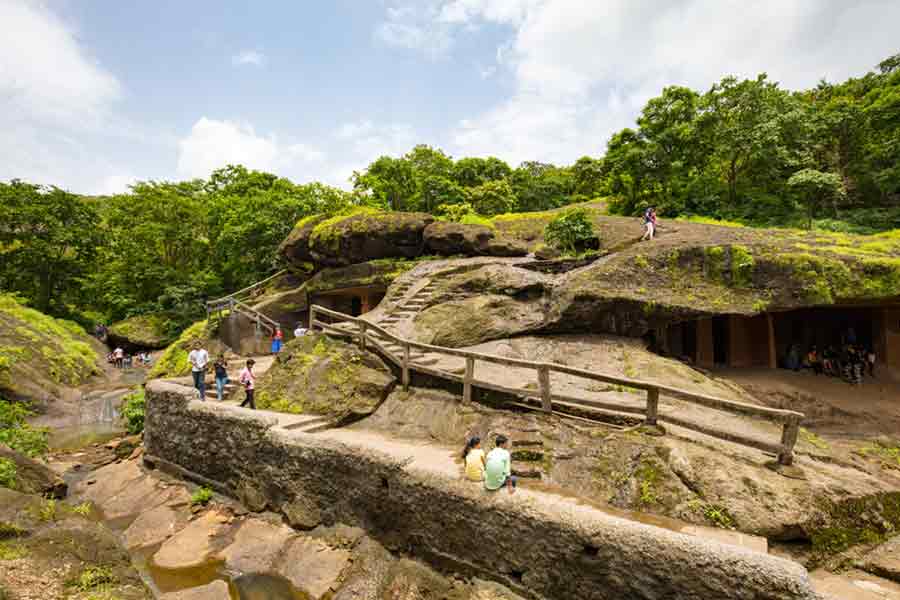
Visitors exploring Buddhist cave complexes in Mumbai encounter a working forest first. The approach to the caves involves a two-kilometer walk through teak and karvi thickets, where langurs move through the canopy and peacocks cross the trail. The forest context distinguishes Kanheri from purely archaeological monuments: the site's isolation was intentional, chosen by monks seeking withdrawal from the coastal trading centers that funded their existence. That same isolation now offers urban residents a rare convergence of heritage and habitat, where the carved interiors remain cool even when the forest floor shimmers with midday heat.

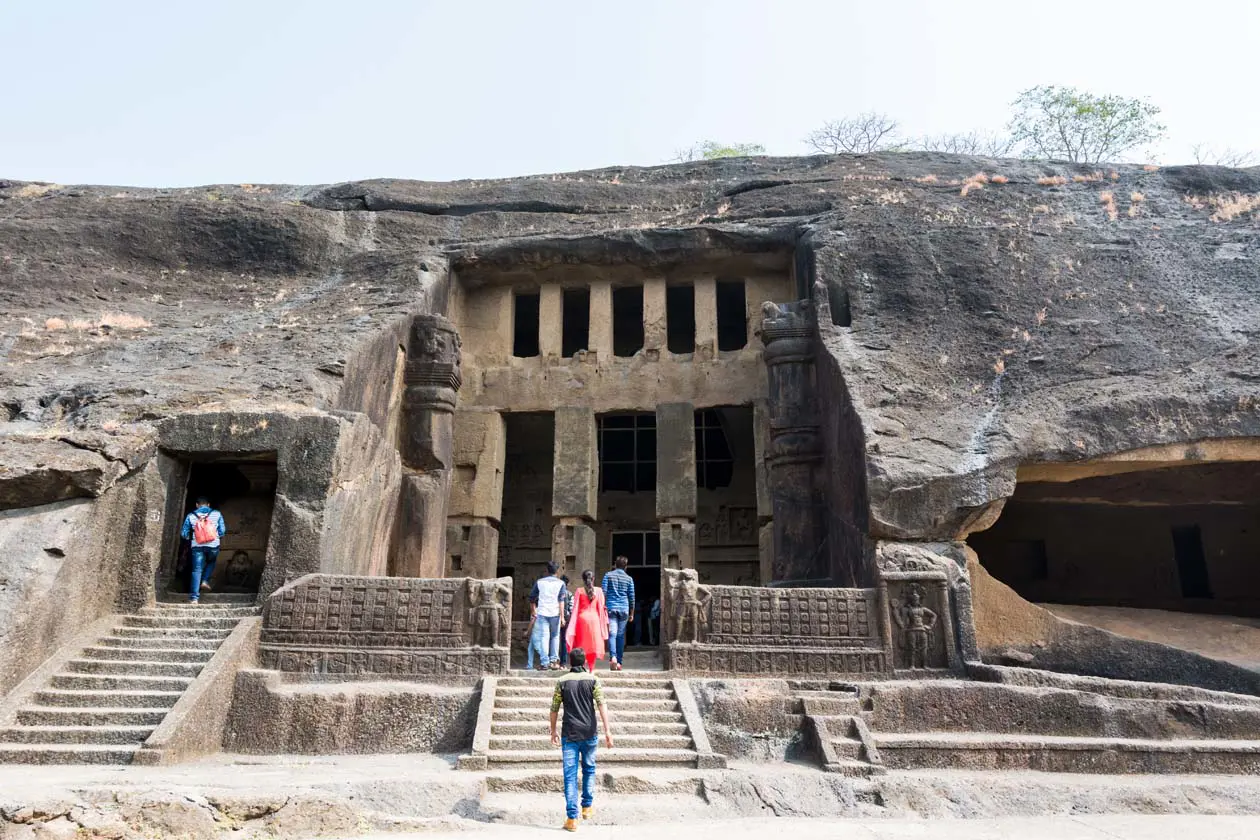
"The Great Chaitya's acoustics were engineered so chants would resonate without echo, a technique that still functions after two millennia."
Your experience

What a Kanheri Caves tour day looks like

A step-by-step walkthrough of Kanheri Caves tickets — what you'll see, how long each stage takes, and the details that matter.

You begin at the park entrance in Borivali East, paying the conservation fee before boarding the safari bus that winds three kilometers into the forest. The final approach is on foot—a paved but steady climb through dense teak woodland where the temperature drops five degrees beneath the canopy.

Read more

After twenty minutes, the hillside opens and you see the first cave mouths, dark rectangles cut into the grey basalt face.

You enter Cave 3 first, the Great Chaitya, passing through a vestibule into sudden vastness. Thirty-four columns rise around you, their octagonal profiles catching slivers of light from the entrance. The stupa at the far end glows faintly, its hemispherical form carved from the living rock. You walk the circumambulatory path, your footsteps echoing against stone that has been polished by two thousand monsoons. In Cave 1, you find the Darbar Hall's seated Buddha, his right hand raised in abhaya mudra—the gesture of fearlessness—while faded paint traces linger on the walls.

Higher caves require scrambling over exposed bedrock, but the effort reveals smaller viharas with intact sleeping platforms and water cisterns fed by channels cut into the hillside. By late morning, the sun has heated the rock face, and you retreat to the shaded courtyards where monks once debated doctrine, the forest now reclaiming the terraces they cleared a millennium ago.

Your experience at Kanheri Caves Tour
Frequently asked

Frequently asked questions about kanheri caves tour tours

What are the opening hours for a kanheri caves tour?

The caves are open Tuesday through Sunday from 09:00–17:00.

Is the park closed for a kanheri caves tour on Mondays?

Yes, the site is closed every Monday.

What is the conservation fee for a kanheri caves tour?

The conservation fee for a kanheri caves tour is 312 INR per person for foreign nationals.

Are there guided kanheri caves tour options?

While many visitors explore independently, guided services may be booked via authorized operators for your kanheri caves tour.

How long does a typical kanheri caves tour take?

Expect to spend 2–3 hours for a complete kanheri caves tour to account for the walk and exploration.

Can I bring my own food on a kanheri caves tour?

Yes, but please carry out all trash to maintain the environment during your kanheri caves tour.

Is a kanheri caves tour accessible for elderly visitors?

The terrain is steep and rocky, so a kanheri caves tour requires climbing uneven, hand-cut stone stairs.

What should I wear for a kanheri caves tour?

Wear modest clothing and sturdy, comfortable walking shoes for your kanheri caves tour.

Can I take pictures during my kanheri caves tour?

Photography is allowed, and capturing the architectural details is a highlight of any kanheri caves tour.

When is the best time to start a kanheri caves tour?

The best arrival window is 09:00–11:00 to avoid mid-day heat during your kanheri caves tour.

Keep exploring

More Kanheri Caves tours & experiences

Nearby cities & day trips
Borivali
3km from park gate